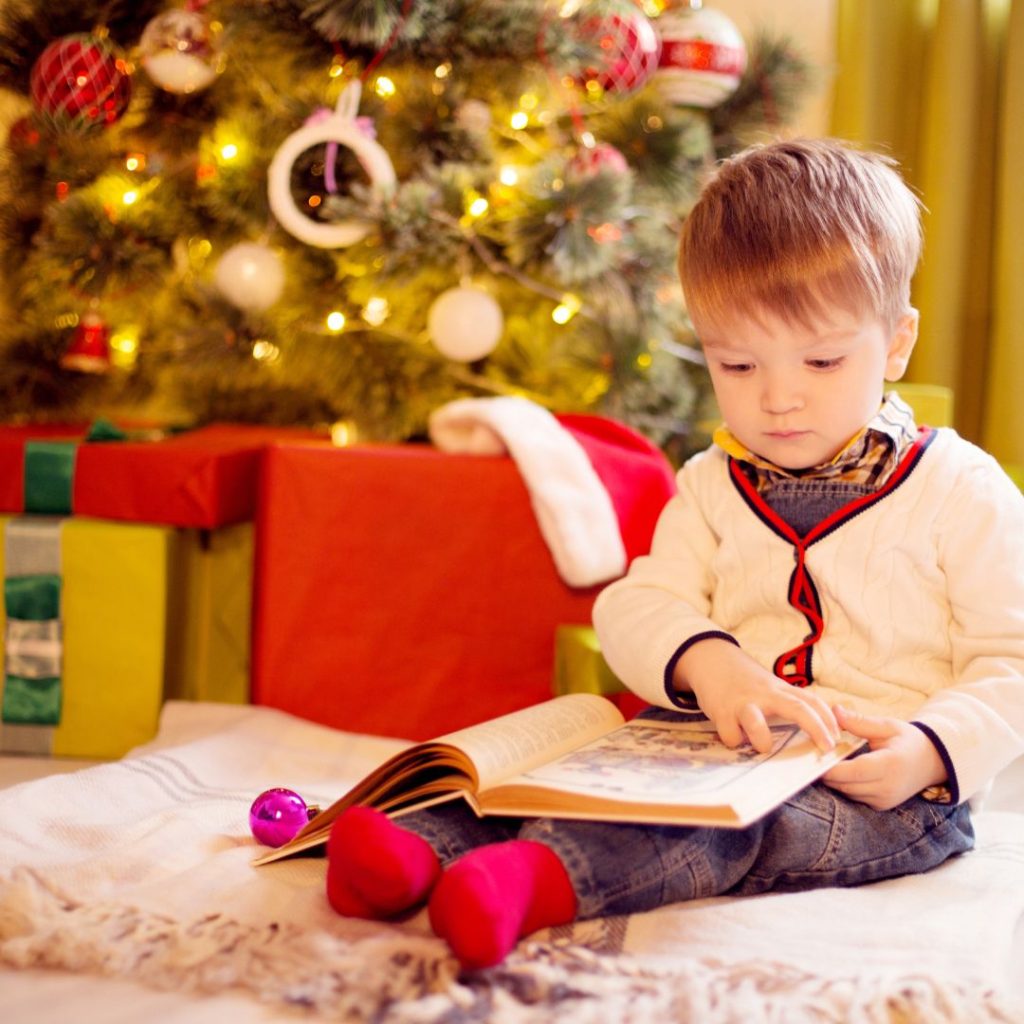
The Perfect Gift: The Psychological Power of Giving a Book for Christmas
The Perfect Gift: The Psychological Power of Giving a Book for Christmas In the holiday season, the search for the perfect gift becomes a mission full of meaning.
Educación
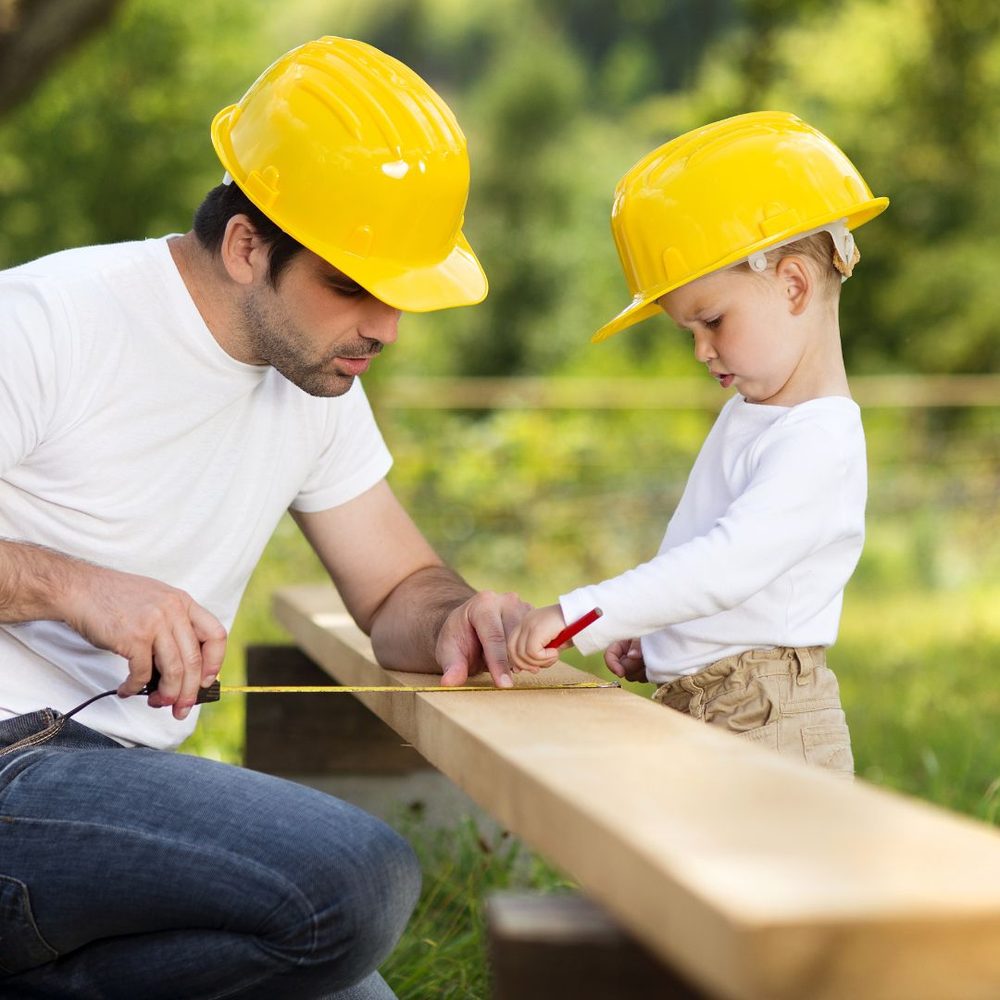
In the process of raising and educating children, modeling plays a fundamental role. Children often learn values, behaviors, and attitudes by observing the people around them. In this article, we will explore how children learn through modeling and the importance of having positive role models in their lives.
What is Modeling?
Modeling is a process in which children imitate and observe adults and peers as a natural part of their learning process. From an early age, children are like sponges that absorb everything they see around them. Every gesture, word and action of their referents has a significant impact on their development.
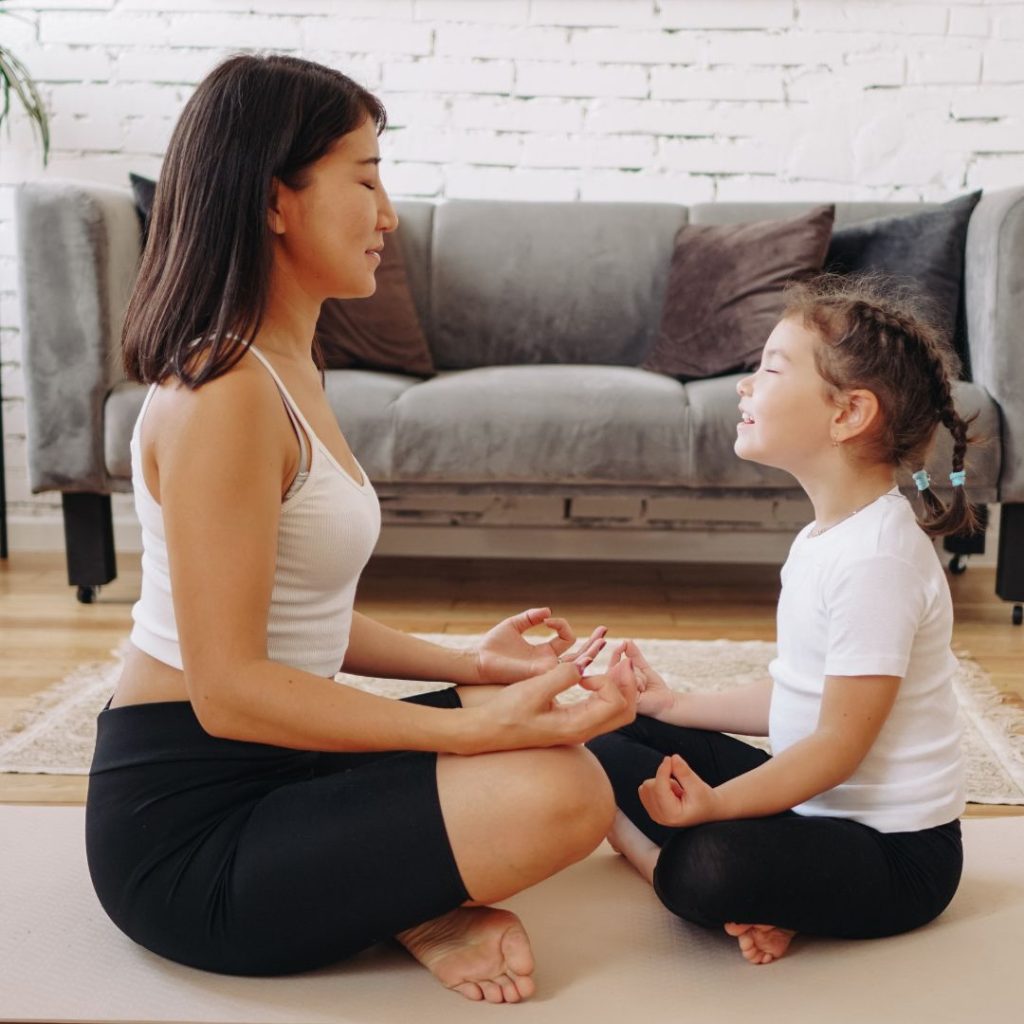
Positive References in a Child's Life
Having positive role models in a child's life is essential. Parents, teachers, family members, and other influential adults can act as role models and values. Children tend to admire and emulate these figures, so it is crucial that the references are examples of values and ethics.
Learning Values Through Modeling
Values such as empathy, responsibility, honesty and generosity are mainly learned through observation and modeling. For example, when a child sees an adult caring for a sick friend or being honest about a difficulty, he internalizes these behaviors as part of his own repertoire.
Children can also learn to manage conflict, be compassionate, and show gratitude by observing how their role models handle these situations in everyday life.
The Dangers of Negative Modeling
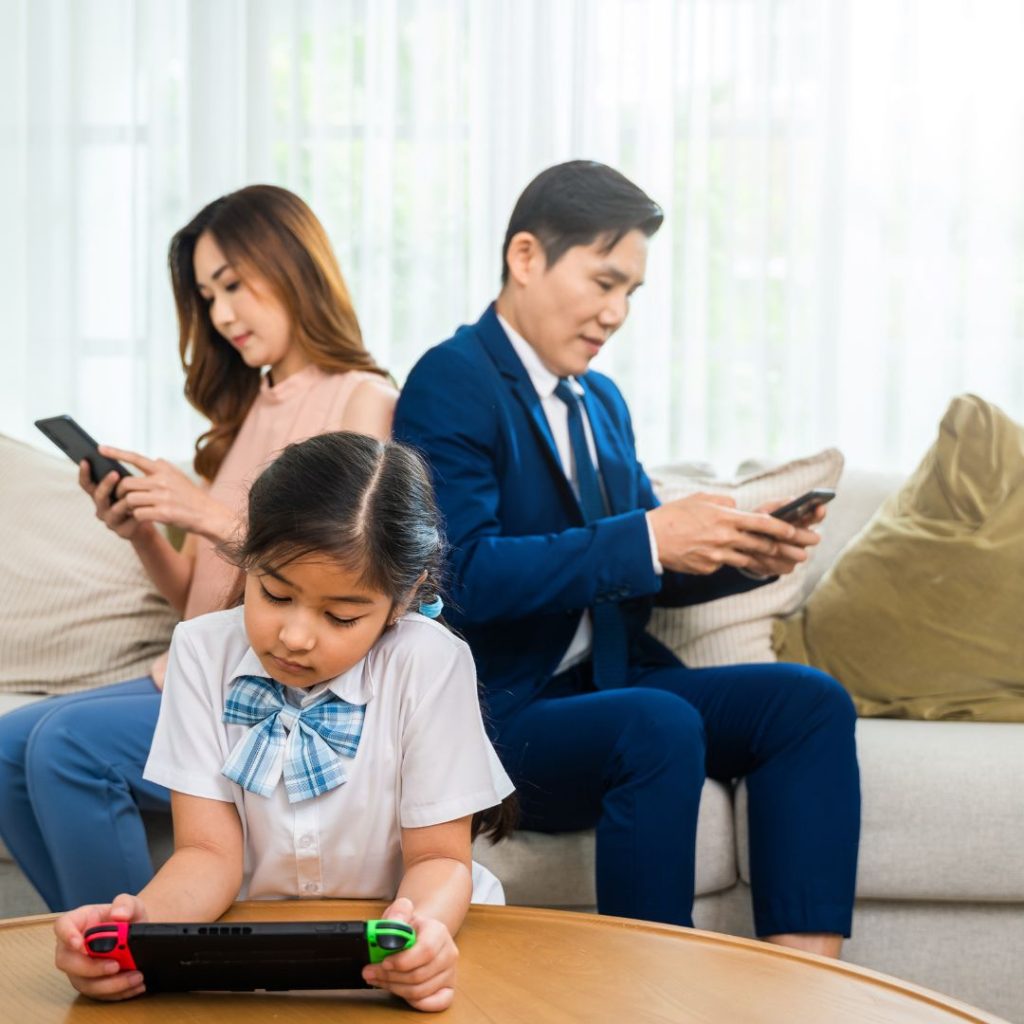
However, it is important to note that not all models are positive. Children can also learn negative behaviors and attitudes from their environment if they are exposed to them. For example, if a child has a role model who shows aggression or dishonesty, he is likely to imitate these behaviors as well.
Parents and caregivers should be aware of the influence they exert as role models and actively work to minimize any negative influences they may have on children.
Fostering Positive Modeling
Encouraging positive modeling is essential for children's development. Here are some practical strategies for parents and educators:
Modeling is a powerful tool in children's education. Positive role models can inspire young people to adopt values and behaviors that will help them grow as responsible and ethical individuals. By being aware of the influence we exert as role models, we can contribute to the development of more understanding and respectful future generations. Let us remember that our own behaviors and values leave a lasting imprint on children's minds and hearts.
From the same topic
The Perfect Gift: The Psychological Power of Giving a Book for Christmas In the holiday season, the search for the perfect gift becomes a mission full of meaning.
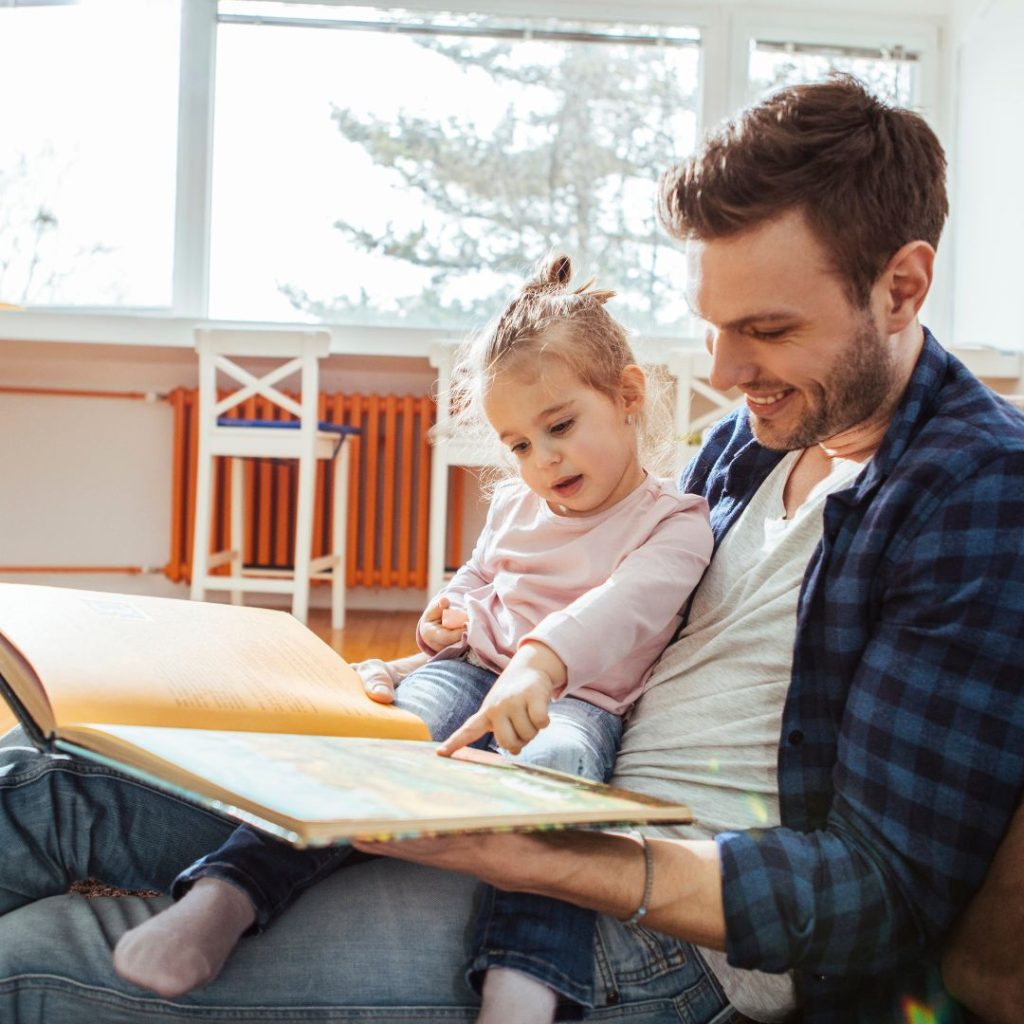
Educating in Values from Home: The Fundamental Role of Parents The education of our children is one of the most important aspects of any parent's life.
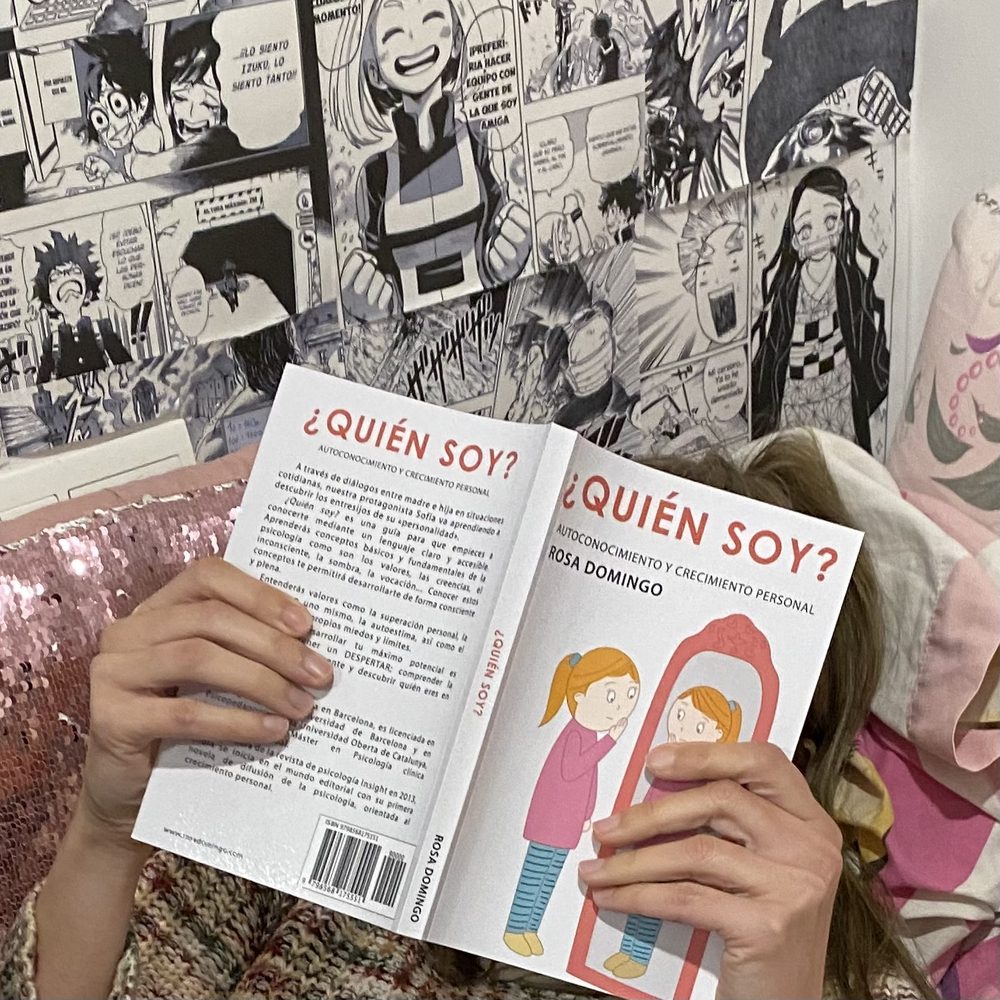
Teaching Psychology to Children: Strategies for Parents and Educators The education of our children is a fundamental task for their integral development, and psychology plays an essential…