
The Perfect Gift: The Psychological Power of Giving a Book for Christmas
The Perfect Gift: The Psychological Power of Giving a Book for Christmas In the holiday season, the search for the perfect gift becomes a mission full of meaning.
Educación
The education of our children is a fundamental task for their integral development, and psychology plays an essential role in this. But is it possible to teach psychology to children and adolescents? The answer is yes, and in this article we will explore how to do it effectively, considering the stages of cognitive development of children.
Until the age of 12, children have not yet fully developed their abstract thinking. Therefore, any attempt to teach them psychology must be based on the tangible, on what they can see, feel, check and touch. One of the most effective ways to achieve this is through narrative language.
Storytelling: Storytelling is a powerful tool for conveying psychological knowledge. Children can relate to characters and situations, allowing them to understand abstract concepts through concrete examples.
Personal Experiences: When a child faces a dilemma or difficulty, instead of providing a direct solution, we can share our own experiences in similar situations. This allows children to extract learnings from life and develop skills to face challenges.
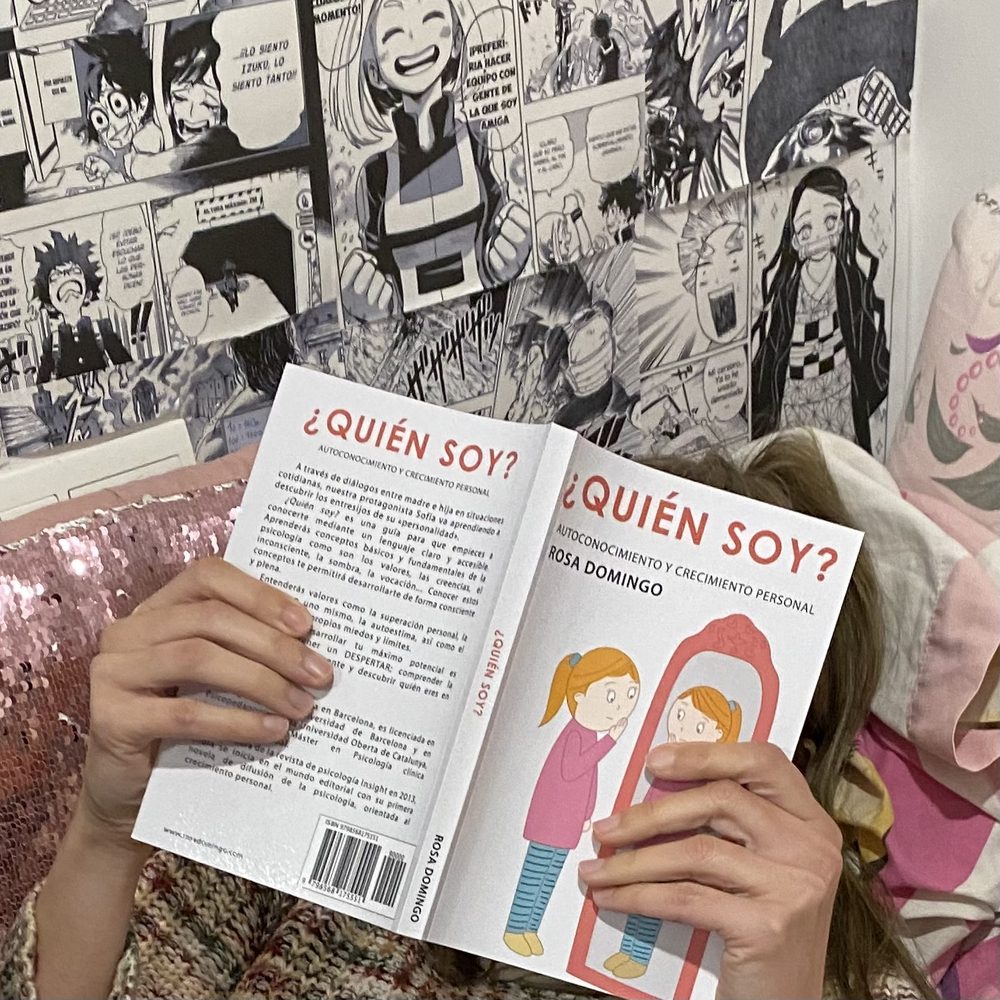
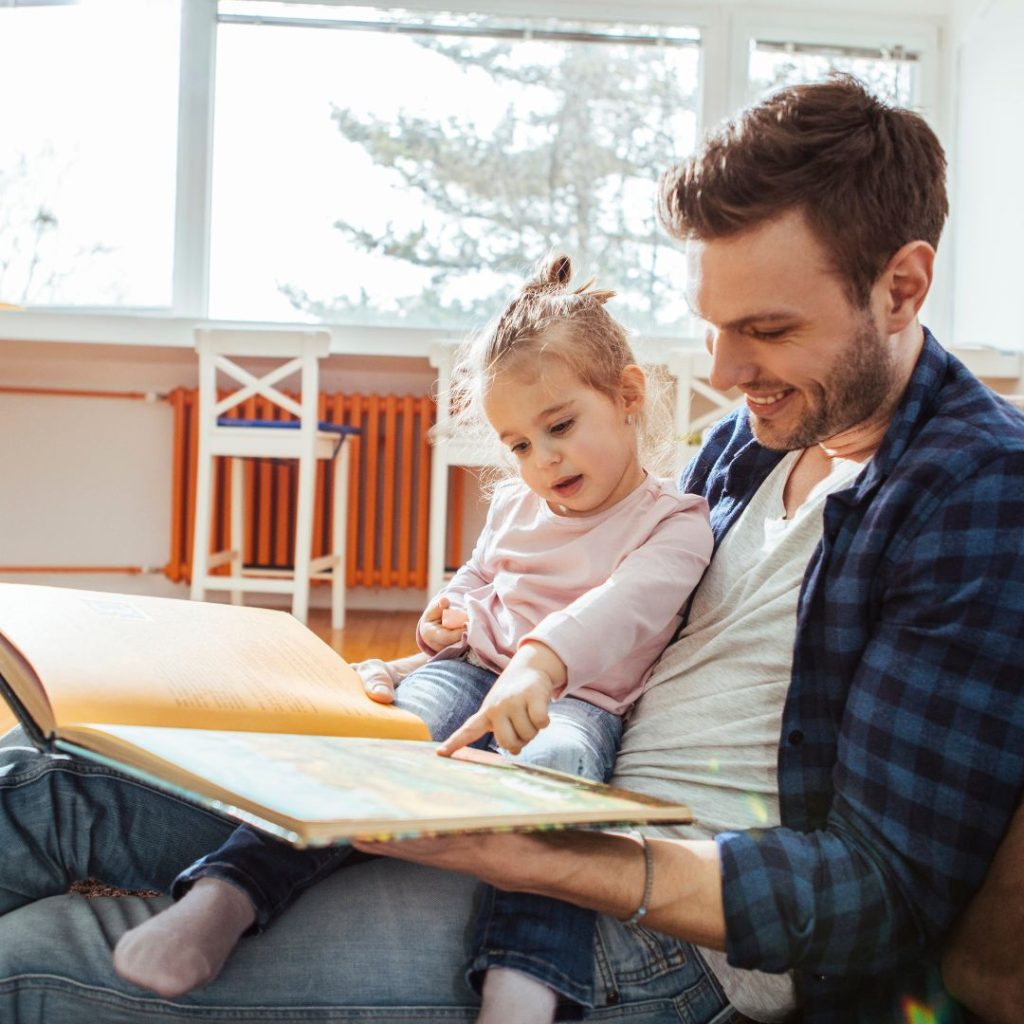
Reading Books: Reading books is another effective way to convey psychological knowledge. The books offer a variety of characters and situations that can serve as examples and case studies, making it easier to understand complex concepts.
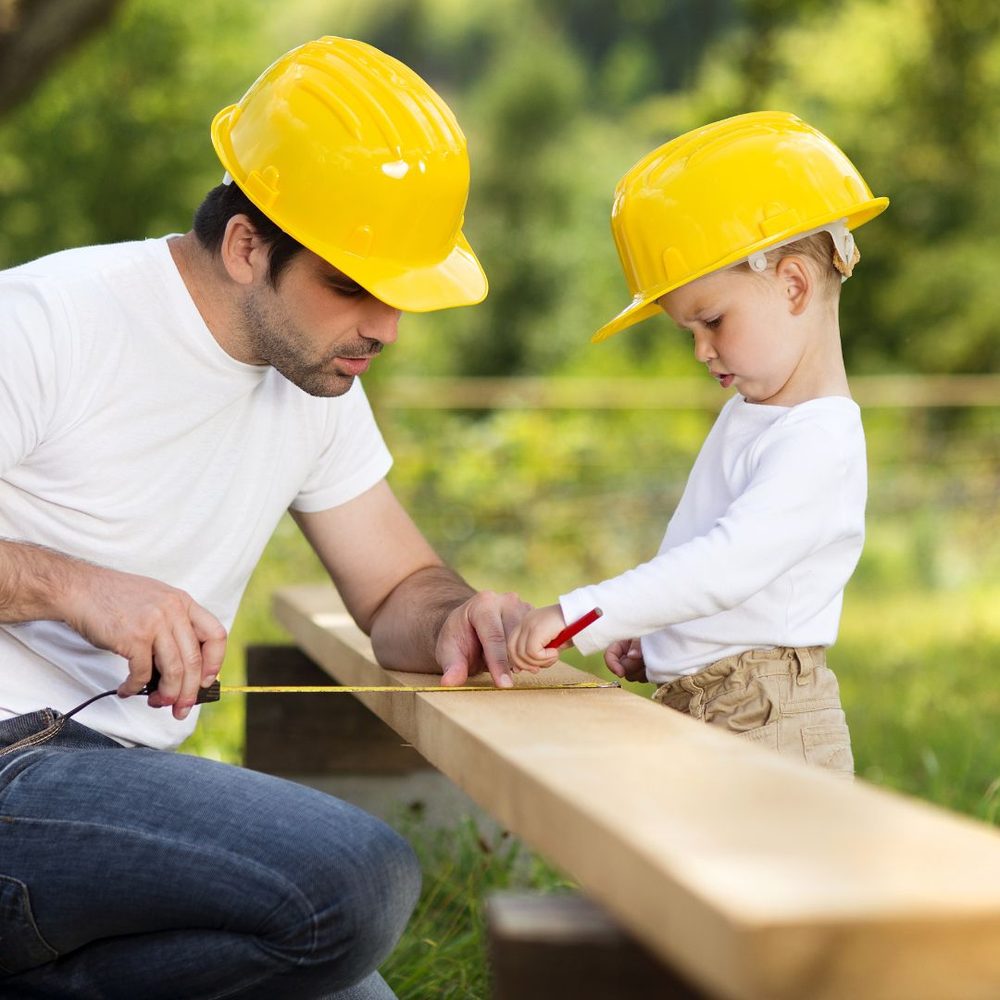
Learning through Modeling: Children learn effectively by watching other people solve problems. Showing them how we address dilemmas and challenges in our own lives gives them a role model and helps them integrate practical knowledge automatically.
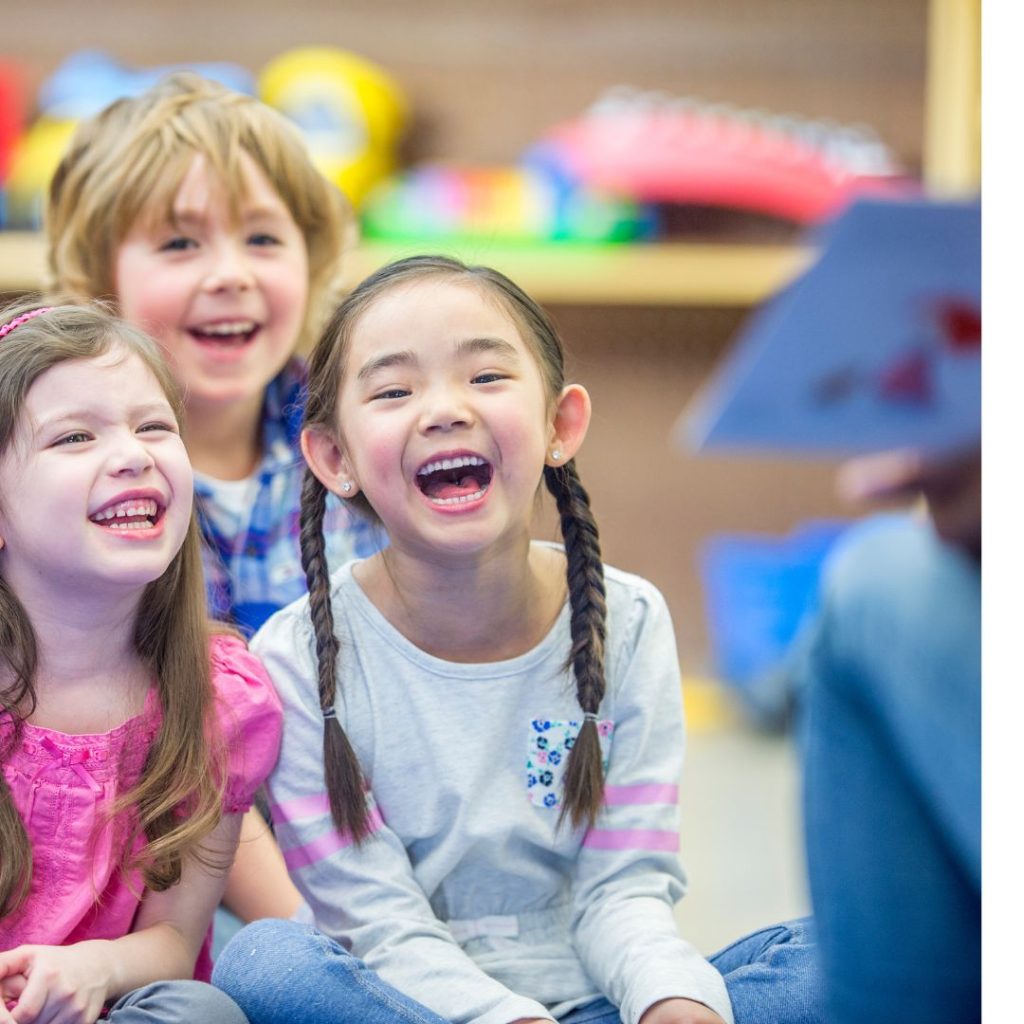
As children enter adolescence, their capacity for abstract thinking begins to develop, allowing them to understand more complex concepts in psychology. At this stage, we can begin to answer their questions in a more elaborate way and teach them the fundamentals of psychology.
Building a Foundation: Sharing information about fundamental psychological concepts allows them to build a solid foundation for understanding and addressing life experiences. This gives them mental order and security, even when they do not have all the answers, since they have the necessary tools to experiment and apply what they have learned.
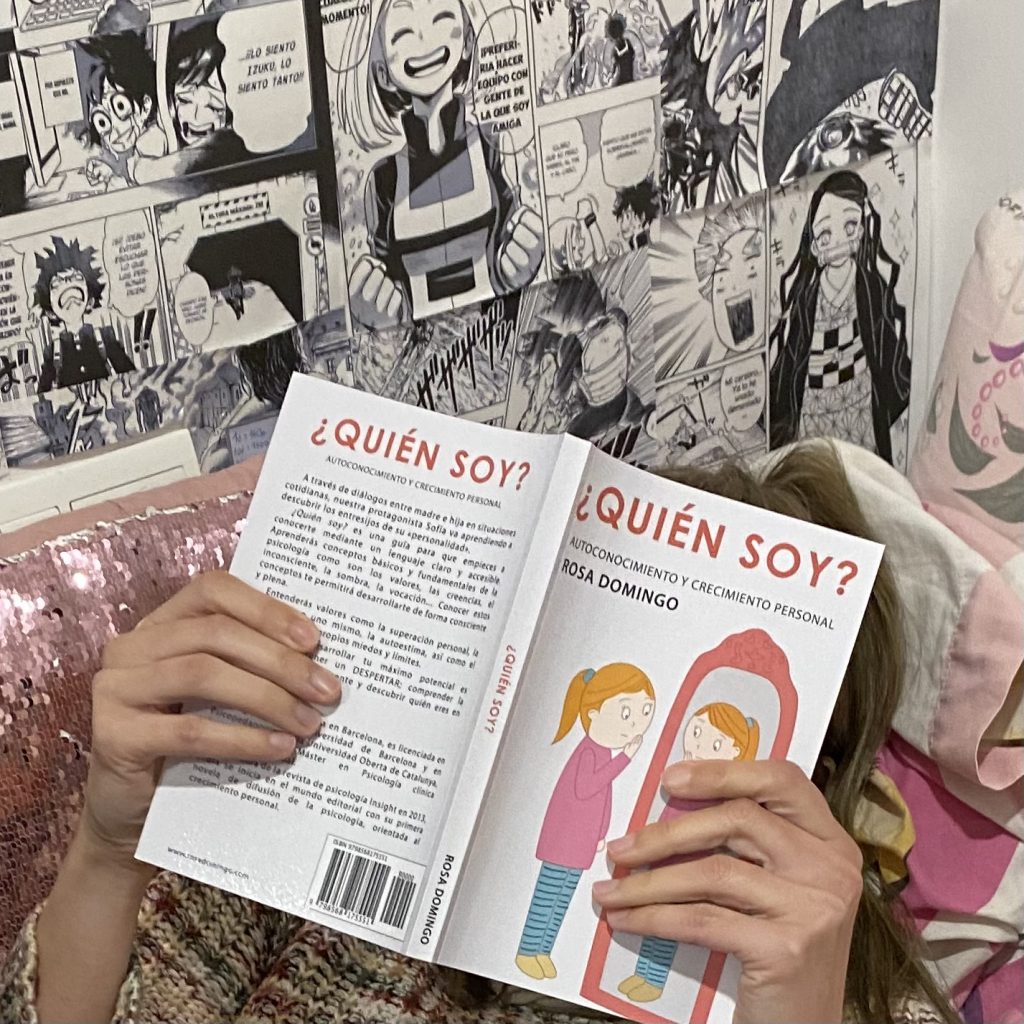
Teaching psychology to children and adolescents is possible and beneficial for their development. By tailoring our teaching strategies to their stages of cognitive development, we can help them better understand their emotions, relationships, and behaviors. Whether through stories, personal experiences, or teaching foundational concepts, we can provide them with the tools needed to face life's challenges with confidence and knowledge.
From the same topic
The Perfect Gift: The Psychological Power of Giving a Book for Christmas In the holiday season, the search for the perfect gift becomes a mission full of meaning.
Educating in Values from Home: The Fundamental Role of Parents The education of our children is one of the most important aspects of any parent's life.
The Power of Modeling: How Children Learn Values from Their Role Models In the process of raising and educating children, modeling plays a fundamental role.