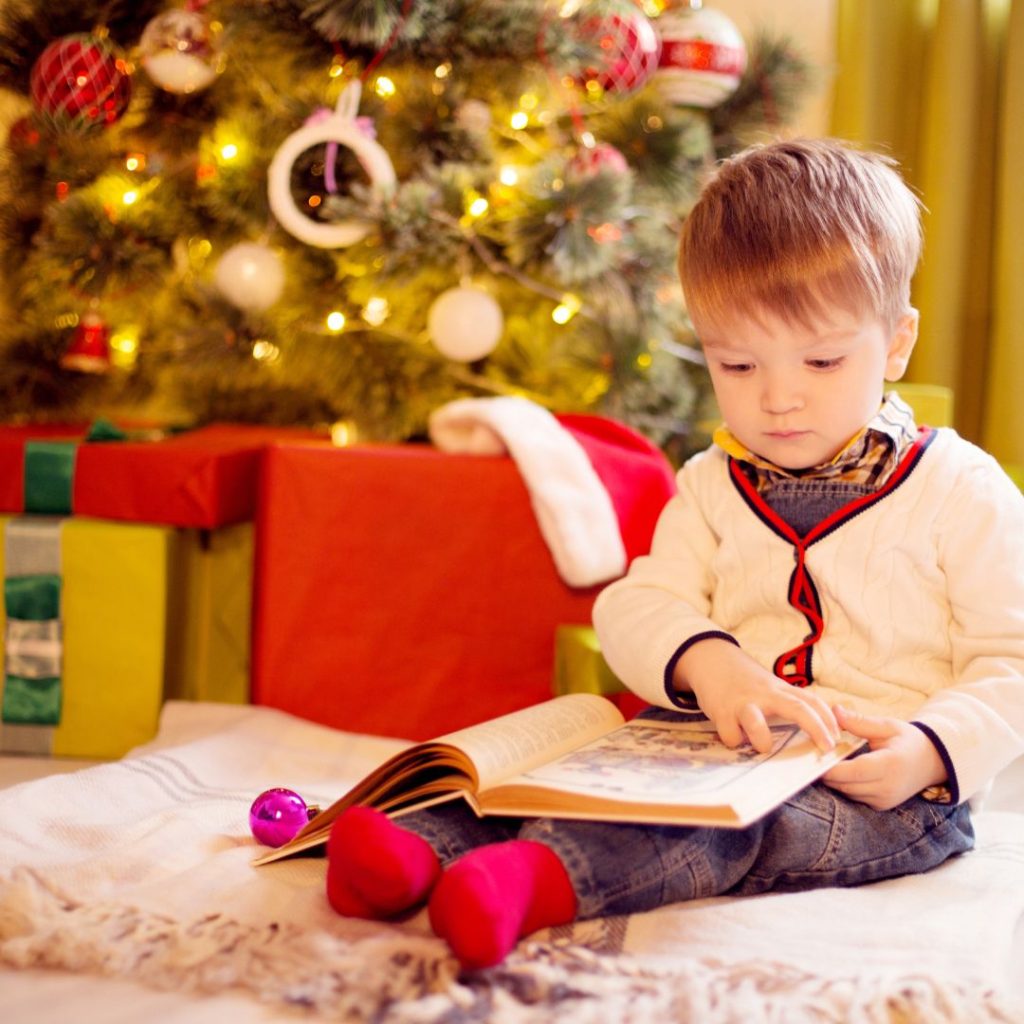
The Perfect Gift: The Psychological Power of Giving a Book for Christmas
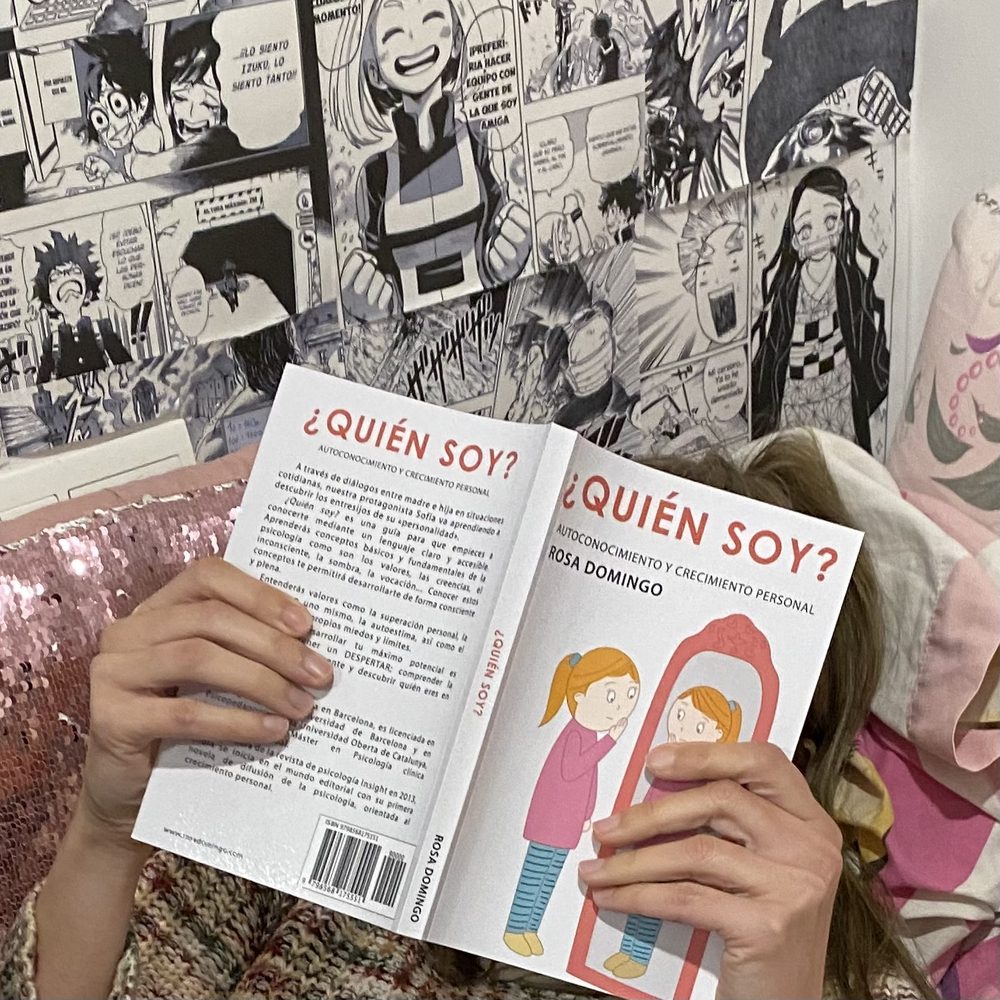
The Perfect Gift: The Psychological Power of Giving a Book for Christmas In the holiday season, the search for the perfect gift becomes a mission full of meaning.
Educación
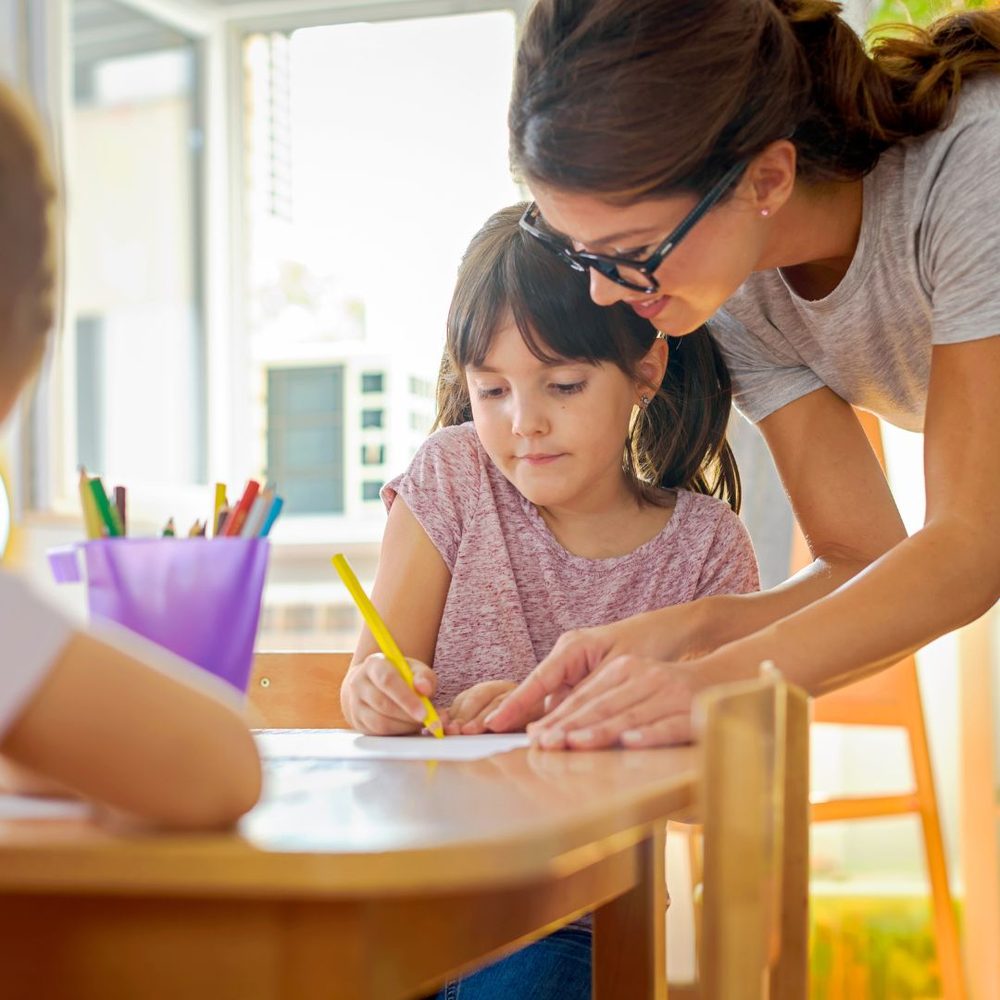
In the process of education and growth, it is essential to recognize and nurture a variety of psychological skills and capacities that contribute to the integral development of children and young people in the educational environment. In this article, we'll explore how these skills are grouped into five fundamental categories, each of which plays a crucial role in students' mental, emotional, and social functioning. By addressing these capabilities, we are not only building a strong foundation for learning, but also cultivating competencies essential for a healthy and successful life.
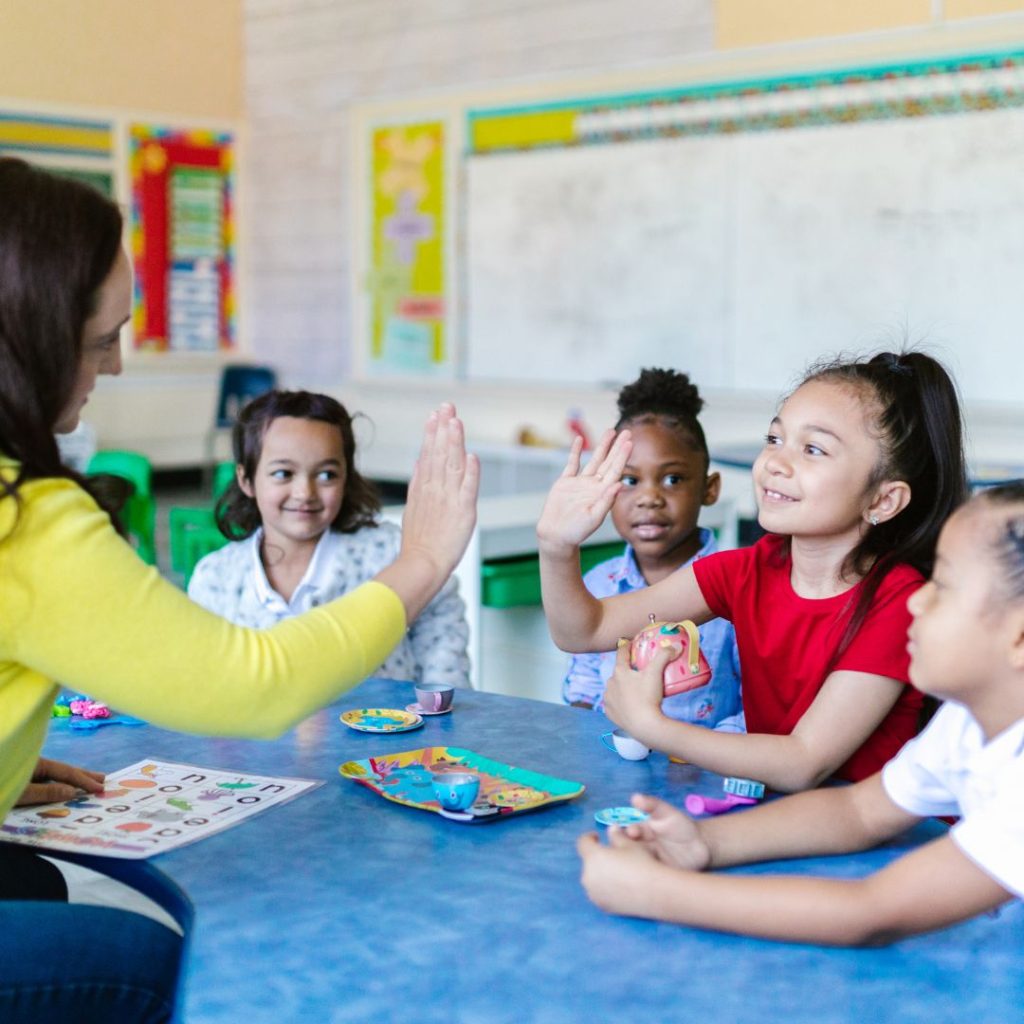
1. Emotional Skills: Navigating the Emotional Waters
Emotional skills form the core of emotional intelligence, enabling young people to understand and manage their own emotions and those of others. From emotional regulation to empathy, these capabilities allow students to face emotional challenges constructively. Through conflict resolution and effective communication of emotions, young people learn to establish healthier relationships and foster an emotionally safe environment.
2. Cognitive Skills: Building Critical Thinking
Logical thinking, memory, attention, and problem-solving are essential cognitive skills that form the foundation of the learning process. By nurturing these capabilities, analytical skills, creativity, and the ability to address challenges effectively are promoted. Fostering critical thinking not only drives academic success, but also prepares students to face complex situations in everyday life.
3. Social Skills: Weaving Meaningful Connections
Social skills are vital for human interaction and the development of strong relationships. The ability to relate to others, cooperation and teamwork are skills that transcend the classroom and are applied in daily life. These capabilities not only promote effective collaboration, but also foster a sense of belonging and empathy in the school environment and beyond.
4. Independent Living Skills: Empowering Responsible Decisions
Independent living requires essential skills for organization, time management, and decision-making. By teaching young people how to plan and make informed decisions, we are equipping them with valuable tools to meet real-world challenges. These capabilities are not only relevant in the academic environment, but also prepare students for a successful transition to adult life.
5. Communication Skills: Conveying Ideas with Impact
Effective communication is the backbone of all human interactions. Language skills, active listening, and expressing thoughts and feelings clearly and coherently are essential for successful communication. These capabilities not only facilitate the transmission of information, but also build bridges between people, promoting understanding and collaboration.
In summary, the integral development of children and young people in the educational environment is enriched by fostering these five categories of skills and abilities. By giving them the tools needed to navigate emotions, thoughts, relationships, independence, and communication, we are building a solid foundation for their present and future success. These competencies transcend the classroom and mold individuals capable of facing the world with confidence and understanding.
From the same topic
The Perfect Gift: The Psychological Power of Giving a Book for Christmas In the holiday season, the search for the perfect gift becomes a mission full of meaning.
Educating in Values from Home: The Fundamental Role of Parents The education of our children is one of the most important aspects of any parent's life.
Teaching Psychology to Children: Strategies for Parents and Educators The education of our children is a fundamental task for their integral development, and psychology plays an essential…