Valentine's Day: Self-Love, the Foundation of All True Love
Valentine's Day: Self-Love, the Foundation of All True Love Valentine's Day, celebrated on February 14 in many parts of the world, is an occasion to celebrate love and connection between…
Home · Articles · Autoconocimiento
Autoconocimiento

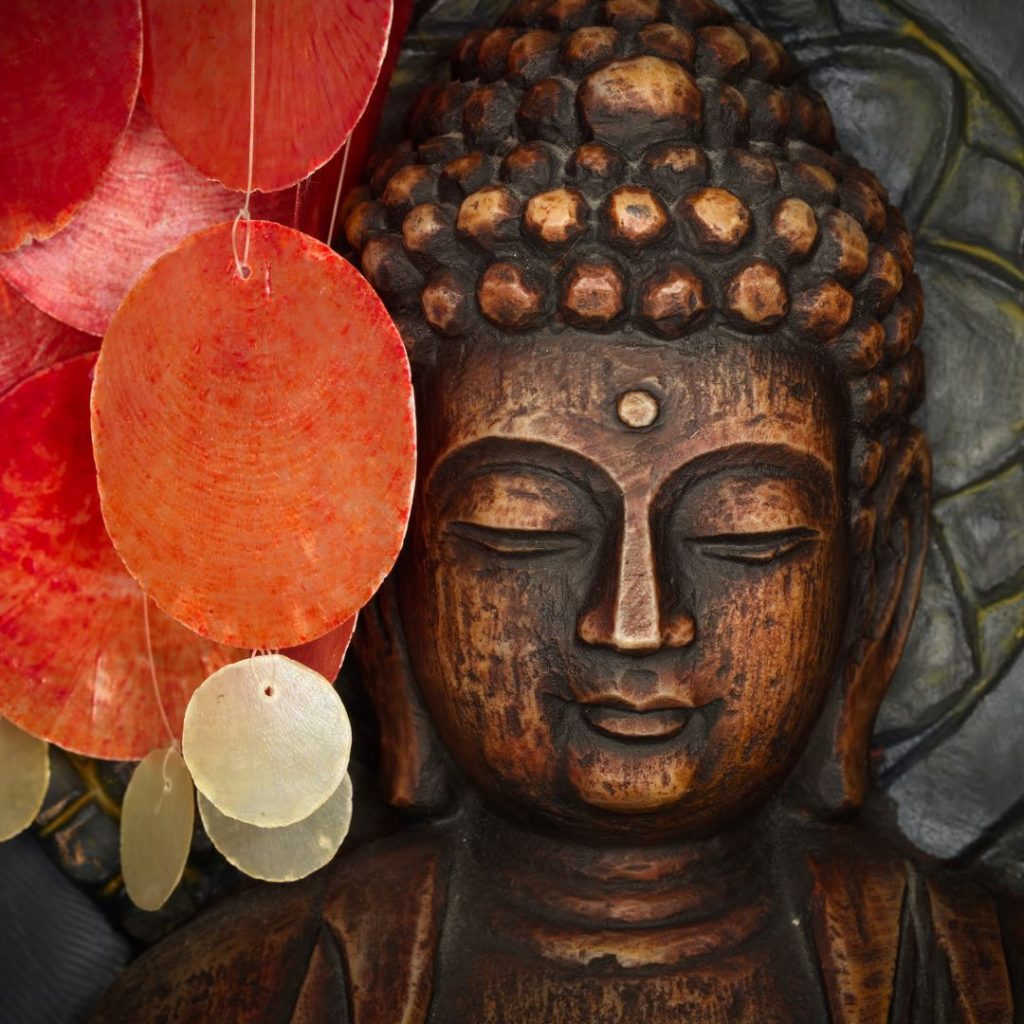
Kōan are a form of teaching used in Zen Buddhism, a spiritual tradition that originated in China and then developed in Japan. Kōan are short and enigmatic riddles, questions, or paradoxical statements presented to Zen students by their teachers. They are designed to challenge rational and logical thinking and instead bring the student to a state of enlightenment or intuitive understanding.
Origin of the kōan****
The use of kōan in Zen practice dates back to the ninth century in China. A Zen master named Linji (also known as Rinzai in Japan) was one of the first to use kōan as a pedagogical tool to convey the experience of enlightenment directly beyond words and concepts. The Rinzai Zen tradition emphasized the use of kōan, while another branch of Zen Buddhism called Soto Zen prioritizes the practice of silent meditation (zazen).
Examples of kōan: Some classic examples of kōan include:
"What's the sound of one hand clapping?"
"What was your original face before you were born?"
"What is the sound of moonlight?"
"If you find the Buddha on the way, kill the Buddha."
Those are just a few examples, and there are hundreds of different kōan used by Zen masters throughout history.
Purpose of the kōan****
The kōan are meant to break the limitations of dualistic thinking and conventional logic. When a student is confronted with a kōan, his logical mind cannot provide a satisfactory answer. The student is left in a state of confusion that cannot be resolved by rational thought. This intellectual frustration takes the student beyond conceptual limitations and drives him to seek answers in a deeper dimension of the mind.
The ultimate goal of working with the kōan is to come to an experience of enlightenment or awakening, which in Zen Buddhism is called "satori." Satori is a direct understanding of the nature of reality beyond conventional distinctions between subject and object, mind and body, and other dualities. It is a state of wisdom and clarity that is reached when the mind is freed from its attachments and misconceptions.
Practice of the kōan****
Zen students work with the kōan under the guidance of an experienced teacher. The student meditates deeply on the kōan and presents his answers or understandings to the teacher. The teacher evaluates the student's answers and offers guidance to deepen their understanding. This practice of "presenting" the kōan is known as "dokusan".
The practice of kōan is a demanding and challenging path to enlightenment, and not all students progress in the same way. Some kōan may require years of meditation and reflection before the student comes to a deep understanding.
If you want to deepen your knowledge of the kōan and discover how to approach them in a creative and inspiring way, I recommend this mandala book that will allow you to reflect on these enigmas in a unique way.
From the same topic
Valentine's Day: Self-Love, the Foundation of All True Love Valentine's Day, celebrated on February 14 in many parts of the world, is an occasion to celebrate love and connection between…

The Transformative Power of the Conscious Journal: A Journey to Gratitude and Personal Growth When reviewing everyday life, we often overlook the importance of self-reflection.

Challenges of Meditation in the West: How to Overcome Barriers to Inner Peace Meditation is an ancient practice that has been shown to be beneficial for the mind, body, and spirit.