Fears are a natural part of human development and are part of children's learning about the world around them. Fears are an adaptive response that helps children recognize and protect themselves from situations or stimuli that they perceive as threatening or unfamiliar.
As children grow, they experience major changes in their perception and understanding of the world. As they acquire new cognitive and social skills, their imagination develops and they may begin to conceive imaginary situations or unfounded fears.
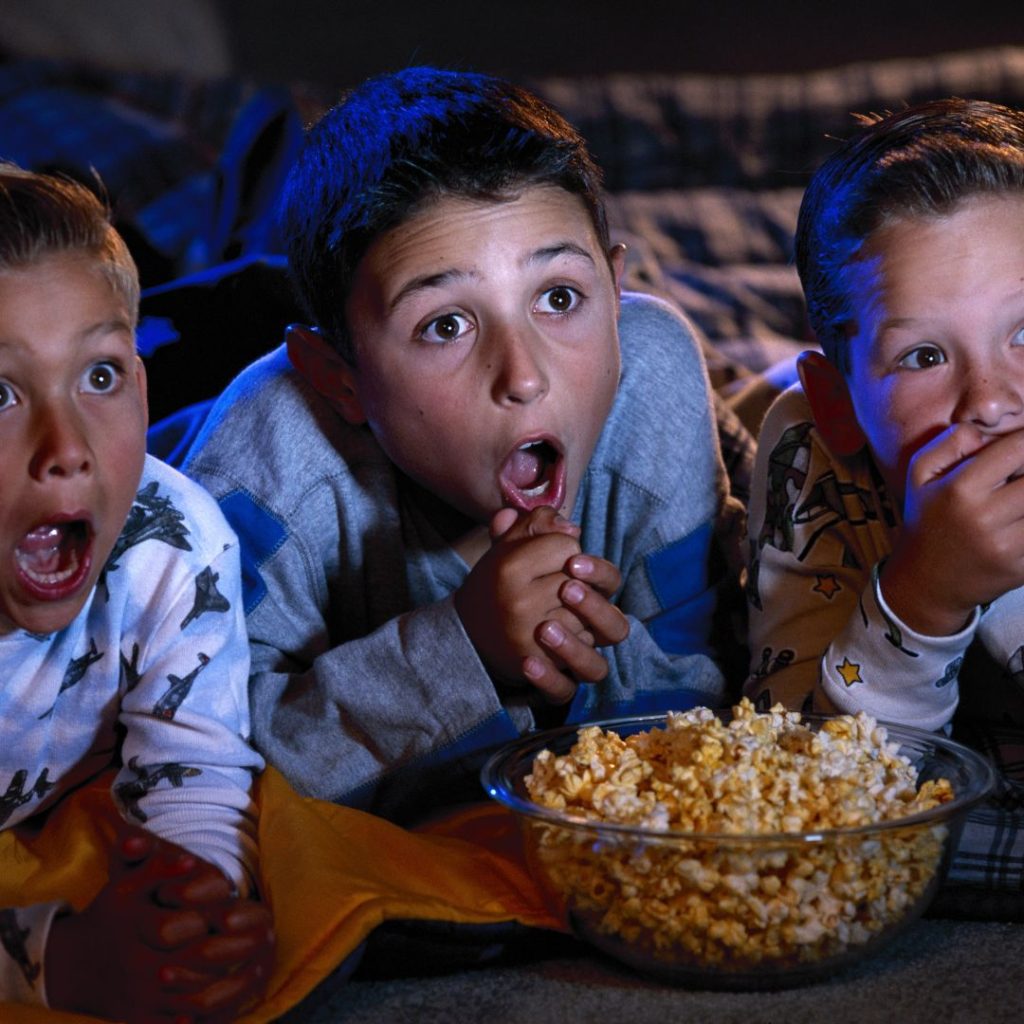
Some examples of common childhood fears include darkness, monsters, animals, parental separation, heights or unfamiliar situations.
Fears can be beneficial, as they help keep children safe and alert to potential real dangers. However, when fears become extreme or significantly interfere with a child's daily life, they may require attention and support from adults.
The role of adults is critical in helping children face their fears in healthy ways. With patience, understanding and empathy, adults can help them understand and manage their fears, encouraging and supporting them to overcome distressing situations.
At what point can fears be a problem?
Fears are considered a problem when they become a significant source of discomfort and interference in the child's daily life. If fears are excessive, persistent, and negatively affect a child's overall well-being, development, and functioning, it is important to address them and seek help if necessary.
Some signs that fears may be a problem include:
- Excessive intensity: The child shows a level of fear that is disproportionate or out of the norm for the situation or stimulus that causes it.
- Long-term persistence: Fears continue for an extended period of time, beyond what would be considered normal for the child's age.
- Interference with daily functioning: Fears affect a child's ability to carry out everyday activities such as going to school, sleeping, eating, or socializing.
- Social isolation: The child avoids activities or situations out of fear, which can lead to social isolation and difficulties relating to other children or adults.
- Intense emotional distress: The child experiences a high level of distress, sadness, irritability, or other emotional distress associated with their fears.
- Constant avoidance: The child persistently tries to avoid situations, people or places that cause fear.
- Negative impact on sleep: Fears can lead to sleep problems such as insomnia, night terrors or frequent awakening during the night.
If you notice these signs in a child, it's important to address the fears. We can provide little ones with strategies to help them face their fears in healthy ways and reduce their negative impact on their life.
How to react to excessive fear?
Below we compile a set of tips to apply to cases where fear begins to be a problem for children and interferes with their day to day.

- It is important to listen carefully to what the child says about his particular fear, and respect what he wants to explain to us without downplaying it, or feeling cowardly or weak.
- Children need to be heard, understood and respected for what they feel. Let them know that all emotions are valid and natural and that all people are afraid at some point or another.
- Adults can check and check together with children that there are no monsters infiltrated under the bed, the closet, the basement ... so that he sees that there is nothing, but always hinting that we are not surprised or frightened and that we do not believe in monsters. But at the same time we must make it clear that we are willing to help you in whatever it takes to make you feel calmer or calmer. Without exaggerating or minimizing your fears.
- We allow naturally if the child wants to return to more childish stages of development. For example, we will let him go back to sleep with his favorite stuffed animal if this gives him security, or leave a light on.
- Sometimes we must give children rational and precise explanations about how things work, especially in children and older children. For example, we can explain the reason for a noise coming from the basement boiler, or the movement of the curtains... Keep in mind that in the cases of younger children, who have not yet developed abstract thinking, logical explanations will not always be effective.
- It is not positive that we face the little ones to their fears against their will, this not only will not make their fear disappear, but quite the opposite.
- It is effective for adults to explain to the little stories of their own fears and how we are going to overcome them. This helps the little ones feel validated and gives the little ones tools on how to overcome fears.
- Promote games that allow children to have some control over the situation of fear. For example, playing to turn the light on and off if they are afraid of the dark or playing that the child is a monster and scares the adult.
- Use a sense of humor to defuse the scary situation. Ridicule a monster or explain funny anecdotes related to fear.
- Explain stories or tales where scary situations appear that are resolved happily.
In cases where fears become very intense and last over time, limiting children from performing daily activities, it is necessary to consult a professional.