Valentine's Day: Self-Love, the Foundation of All True Love
Valentine's Day: Self-Love, the Foundation of All True Love Valentine's Day, celebrated on February 14 in many parts of the world, is an occasion to celebrate love and connection between…
Home · Articles · Autoconocimiento
Autoconocimiento
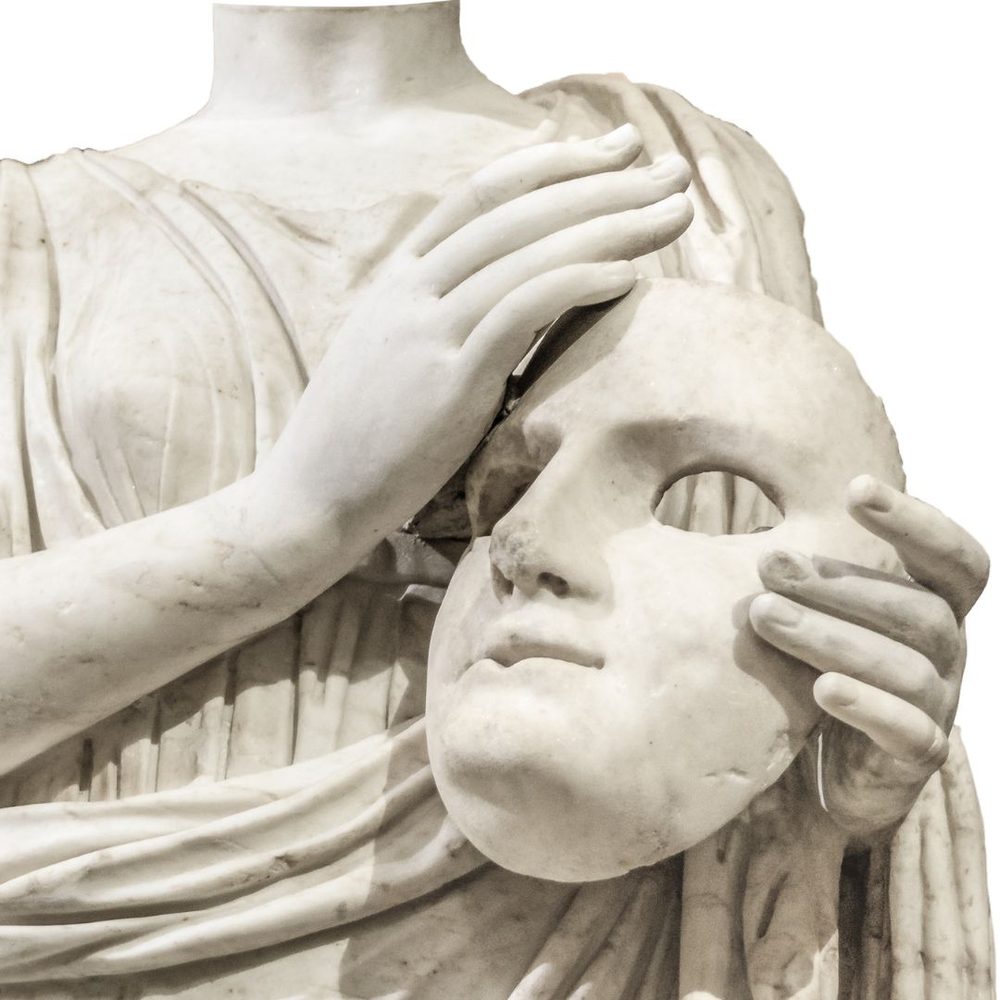
Today, we identify with a person, with a personality, with a way of being that we create to move in the world. It is as if each of us is the protagonist of our own film, where we experience relationships with other characters, face conflicts and live both pleasant and challenging situations. However, have you ever pondered whether you are the viewer of the film or the actor within it?

Imagine being inside a movie and being involved in situations that cause you emotional suffering. When you are immersed in that plot, you identify with the character and emotions flow freely, since it is you who has been insulted, hurt or faces difficulties. But on the other hand, if you watch that same movie from off-screen, as a viewer, the perspective changes completely. Even if you see the conflict and the insult, you do not experience the suffering, because you understand that it is the characters in the story who are living it.
It is interesting to note how this analogy of cinema reflects our everyday lives. Often, we identify so much with our mask, our personality, that we forget that we are the actor behind it. This idea dates back to Ancient Greece, where theaters were very popular stages in an era without distractions such as electronic devices or television. The crowding of audiences in theaters and open-air performances presented a challenge: the actors were not always audible. Therefore, they devised funnel-shaped masks to amplify the voice, and these masks were given the name "persona," which means "where the actor's voice sounds."
Today, we use the term "person" in another context, but paradoxically we still use masks in our daily lives. We identify with a personality that we have built over time, influenced by the experiences and comments received during childhood. From birth to adolescence, we are in a stage of pre-personal consciousness, where we absorb everything that happens around us, turning it into pieces of a puzzle that will build our identity.
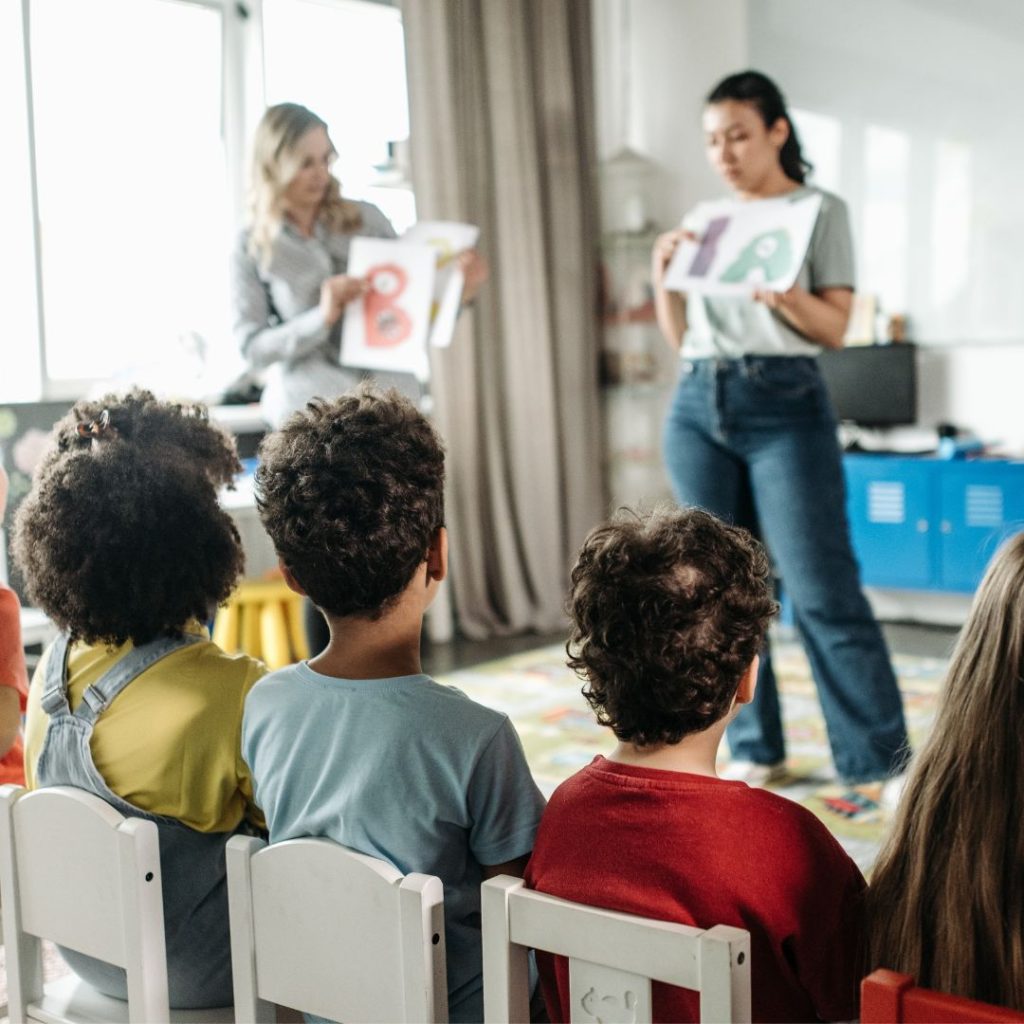
It is in childhood where we receive comments, labels and criticisms that deeply affect our emotional being and become beliefs rooted in our unconscious. These beliefs become the basis of our personality, our mask, which we carry with us during adolescence and adult life.
The level of personal consciousness, to which the majority of the population belongs, is the level at which we get caught up in our way of being. Society is designed in a way that favors the predictability and stability of fixed personalities. However, this level of consciousness can become a prison that limits us and prevents us from evolving. Regardless of whether we had a more validating or limiting childhood, at some point in our life, we will feel the need to change and grow, but this evolution becomes difficult at the level of personal consciousness.
The good news is that there is another level of consciousness: the transpersonal level. This is where transpersonal psychology comes into play, seeking personal growth, expansion of consciousness and transcending the mask. At this level, we recognize that we have a mask and a self in essence. It is a level of deep self-knowledge that allows us to detach ourselves from the limiting beliefs acquired in childhood and explore our true essence.
Discovering our true essence gives us the freedom to respond rather than react to life's situations. We can flow with reality and experience a new perspective on ourselves and others. Change, flexibility and adaptation become part of our path to a more conscious and meaningful life.
In the next few posts, we will delve into each of the levels of consciousness and explore how self-knowledge and connection to our values help us break the limitations of the mask to embrace our authentic essence.
Read on to discover how to reach a level of transpersonal consciousness and awaken to a fuller, more meaningful life!
From the same topic
Valentine's Day: Self-Love, the Foundation of All True Love Valentine's Day, celebrated on February 14 in many parts of the world, is an occasion to celebrate love and connection between…

The Transformative Power of the Conscious Journal: A Journey to Gratitude and Personal Growth When reviewing everyday life, we often overlook the importance of self-reflection.

Challenges of Meditation in the West: How to Overcome Barriers to Inner Peace Meditation is an ancient practice that has been shown to be beneficial for the mind, body, and spirit.