
Three Fundamental Authors of Psychology Everyone Should Know
Three Fundamental Authors of Psychology Everyone Should Know Psychology is the science of the human mind and behavior, and its relevance in our everyday lives cannot be underestimated.
Home · Articles · Psicoterapia
Psicoterapia

In everyday life, our minds are constantly interpreting and processing the information we receive. However, sometimes these interpretations can be biased by what are known as "cognitive distortions." These are inaccurate or unreasonable ways of thinking that can affect our perception of reality. In this article, we'll explore what cognitive distortions are, why they occur, and some examples of common types.
What are Cognitive Distortions?
Cognitive distortions are distorted thought patterns that can lead to misinterpretations of reality. These distortions can influence our emotions and behaviors, often fueling anxiety, stress, and depression. They originate from the way we process and filter the information we receive from the outside world.

Types of Cognitive Distortions
Origins of Cognitive Distortions
Cognitive distortions can arise for a variety of reasons, including past experiences, ingrained beliefs, social and cultural influences, as well as psychological defense mechanisms. These distortions often develop over time and can be reinforced if left unchallenged.
Impact on Mental Health
Cognitive distortions can have a significant impact on mental health. They can increase anxiety, stress, and depression, and make it difficult to make rational decisions. Identifying and addressing these distortions is crucial to promoting a more balanced perception of reality and improving emotional well-being.

How to Address Cognitive Distortions
Cognitive distortions are mental traps that can lead us to misinterpret reality and affect our mental health. By understanding their types and origins, we can work to challenge and change these thought patterns, promoting a more realistic and balanced perception of the world around us.
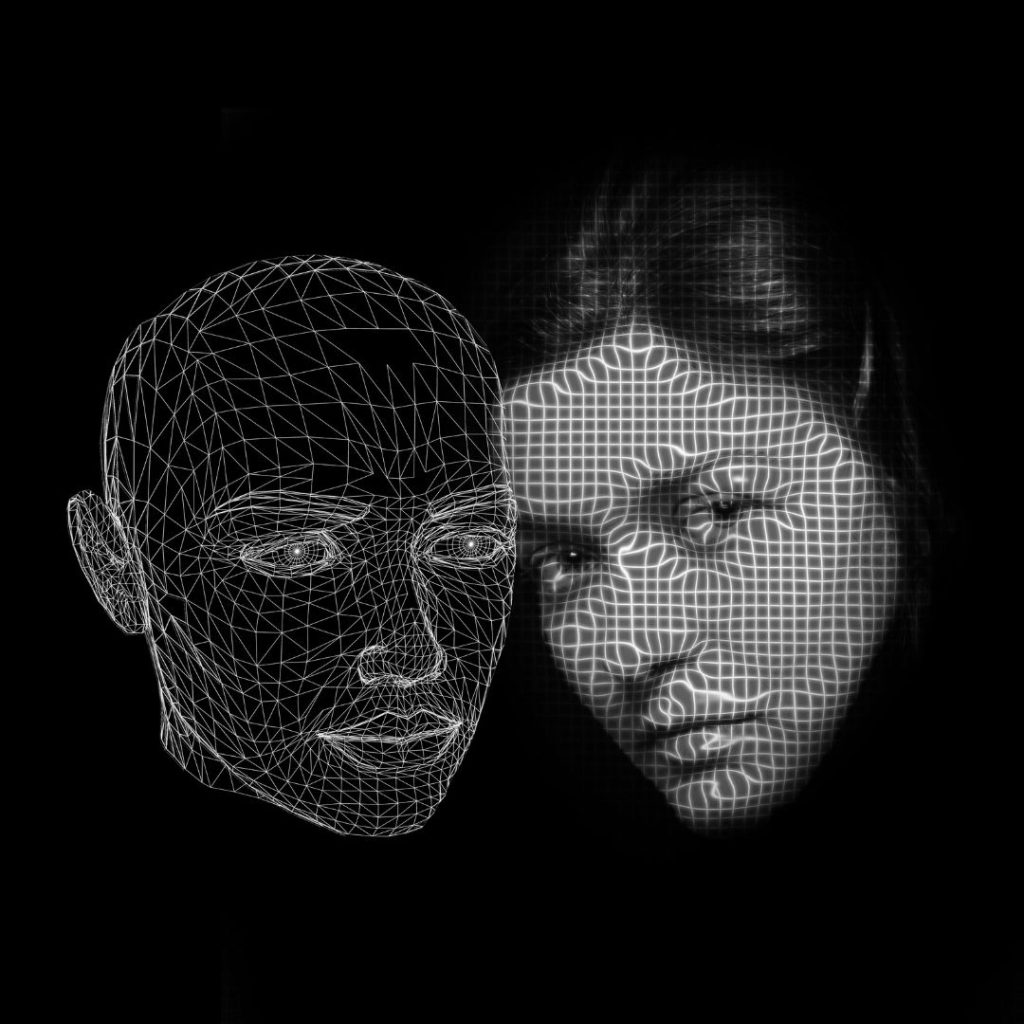
The Cognitive-Behavioral Method: Addressing Cognitive Distortions Effectively
One of the most effective tools for recognizing and modifying cognitive distortions is the cognitive-behavioral approach. This therapeutic approach has proven valuable in challenging and transforming distorted thought patterns that can negatively affect our perception of reality and our mental health.
The cognitive-behavioral method is based on the premise that our thoughts, emotions, and behaviors are interconnected. Recognize that our cognitive distortions can influence our emotions and actions in significant ways. Through this approach, we can learn to identify and question cognitive distortions, replacing them with more realistic and healthy thoughts.
Therapeutic Diary
It is a useful tool to apply this approach in daily life is to keep a scheduled journal. In this journal, you can record the distorted thoughts that arise, write down the situations in which they occurred, and then work through the steps of questioning and cognitive restructuring. By doing so, you can gradually build a more realistic and healthy mindset.
By understanding cognitive distortions and how they affect our perception of reality, we are better prepared to address them effectively. The cognitive-behavioral method is presented as a valuable tool in this way, helping us to cultivate a healthier and more balanced mentality. By practicing self-awareness and applying the strategies of the method, we can gradually free ourselves from negative and distorted thought patterns, and thus improve our quality of life and emotional well-being.
From the same topic
Three Fundamental Authors of Psychology Everyone Should Know Psychology is the science of the human mind and behavior, and its relevance in our everyday lives cannot be underestimated.

Mental Health in Adolescence: Exploring Gender Differences Adolescence is a stage of life marked by significant changes, both physical and emotional.

From Worry to Action: How to Address and Resolve Our Discomfort At some point in our lives, we all experience worries.